
Enhancing Recall with Investigative Interviewing Methods

In the realm of investigative work, the ability to accurately recall and report information is paramount. Memory is a complex and sometimes fragile process, influenced by numerous factors that can either enhance or impair recall. Over the years, research has provided us with scientifically validated techniques to improve the quality and quantity of information obtained during interviews. Among these, investigative interviewing methods stand out as essential tools for professionals tasked with gathering reliable evidence. This article explores these methods, focusing on practical applications and strategies to enhance recall effectively.
Understanding Investigative Interviewing Methods
Investigative interviewing methods are structured approaches designed to maximize the retrieval of accurate information from witnesses, victims, and suspects. These methods are grounded in cognitive psychology and human memory research, ensuring that interviews are conducted ethically and effectively.
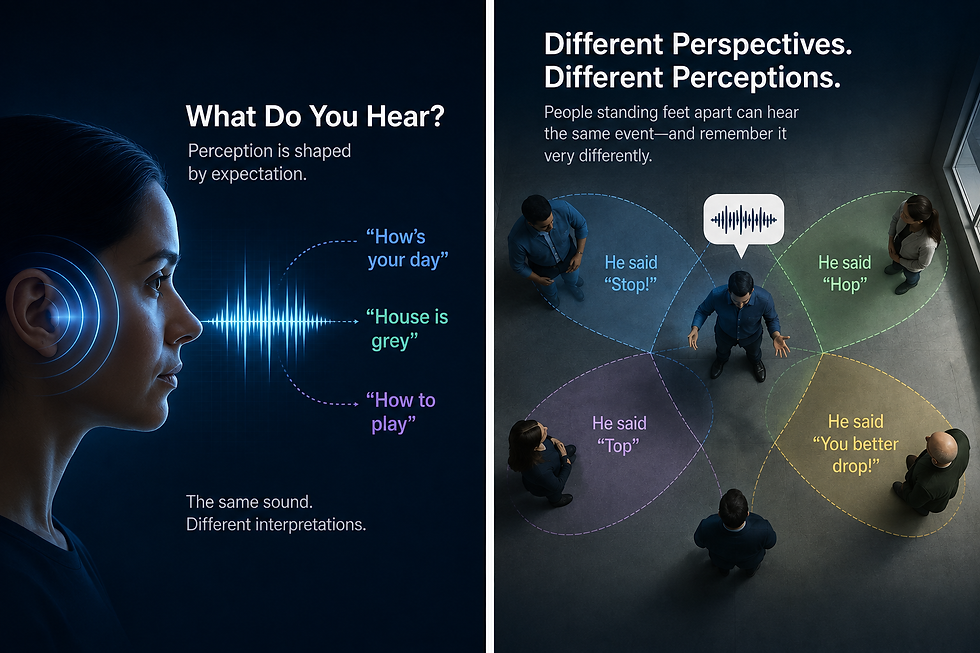
One of the core principles behind these methods is the recognition that memory is not a perfect recording device. Instead, it is reconstructive, meaning that how questions are asked and the environment in which interviews take place can significantly influence the details recalled.
Some of the most widely recognized investigative interviewing methods include:
The Original Cognitive Interview
The Enhanced Cognitive Interview
The Veritas Method©
Each of these techniques emphasizes different aspects of memory retrieval, such as context reinstatement, focused retrieval, and minimizing interviewer bias.
For example, the Original Cognitive Interview encourages witnesses to mentally recreate the environment and their emotional state during the event. This mental reinstatement helps trigger more detailed and accurate memories.

The Role of Memory in Investigative Interviewing
Memory plays a central role in investigative interviewing. Understanding how memory works can help interviewers tailor their approach to maximize recall and minimize errors.
Memory encoding, consolidation, and retrieval are the three critical stages involved:
Encoding - The process of perceiving and learning information.
Consolidation - The stabilization of memory traces after initial acquisition.
Retrieval - The act of recalling stored information.
Effective investigative interviewing methods focus on facilitating retrieval by recreating the conditions present during encoding and consolidation. This approach helps witnesses access memories that might otherwise remain inaccessible.
For instance, asking open-ended questions that encourage detailed descriptions rather than yes/no answers can lead to richer information. Additionally, avoiding leading questions reduces the risk of memory contamination.
One scientifically supported technique that exemplifies this approach is cognitive interviewing, which integrates multiple memory retrieval strategies to enhance recall without compromising accuracy.
What are the 5 C's of Interviewing?
The 5 C's of interviewing provide a practical framework for conducting effective investigative interviews. These principles help interviewers build rapport, gather accurate information, and maintain ethical standards throughout the process.
The 5 C's are:
Contact - Establishing initial communication and creating a comfortable environment.
Content - Focusing on the information relevant to the investigation.
Context - Encouraging the interviewee to mentally recreate the environment and circumstances of the event.
Communication - Using clear, unbiased language and active listening skills.
Closure - Summarizing the information gathered and explaining the next steps.
By adhering to these principles, interviewers can foster trust and cooperation, which are essential for obtaining reliable information.
For example, during the Contact phase, an interviewer might begin with neutral topics to ease tension. During Context, they might ask the interviewee to describe the scene or their feelings at the time of the event, helping to trigger memory retrieval.
Practical Strategies to Enhance Recall
Applying investigative interviewing methods effectively requires a combination of knowledge, skill, and adaptability. Here are some actionable strategies to enhance recall during interviews:
Use Open-Ended Questions: Encourage detailed responses by asking questions that cannot be answered with a simple yes or no. For example, "Can you describe what you saw when you arrived?" rather than "Did you see anyone there?"
Encourage Mental Reinstatement: Ask the interviewee to visualize the scene, including sights, sounds, smells, and emotions. This technique helps access sensory and contextual cues stored in memory.
Avoid Interruptions: Allow the interviewee to speak without interruption to maintain the flow of their narrative and reduce cognitive load.
Take Breaks if Needed: Memory retrieval can be mentally taxing. Short breaks can help maintain focus and reduce fatigue.
Record Interviews When Possible: Accurate records allow for review and analysis, reducing reliance on memory alone.
Eliminate or Minimize Leading Questions: Avoid suggesting answers or introducing new information that could distort memory.
Use the Cognitive Interview Techniques: Incorporate methods such as changing the order of recall or recalling the event from different perspectives to uncover additional details.

Ethical Considerations in Investigative Interviewing
Maintaining ethical standards is crucial in investigative interviewing. The goal is to gather accurate information without coercion, manipulation, or undue pressure.
Key ethical considerations include:
Respect for the Interviewee: Treat all individuals with dignity and professionalism, regardless of their role in the investigation.
Informed Consent: Ensure that interviewees understand the purpose of the interview and their rights.
Avoiding Coercion: Do not use threats, promises, or intimidation to elicit information.
Confidentiality: Protect sensitive information and respect privacy.
Accuracy and Honesty: Report findings truthfully and avoid misrepresenting information.
Adhering to these principles not only protects the integrity of the investigation but also upholds the credibility of the investigative process.
Advancing Skills Through Training and Research
Continuous professional development is essential for mastering investigative interviewing methods. Training programs grounded in scientific research provide the knowledge and practical skills necessary to conduct effective interviews.
The Investigative Interview Institute (The Geiselman Group) offers evidence-based courses that cover the Original Cognitive Interview, Enhanced Cognitive Interview, and the Veritas Method©. These programs emphasize the science of memory and human factors, equipping professionals with tools to protect memory integrity and promote ethical information gathering.
Engaging in such training ensures that interviewers remain current with best practices and can adapt to evolving challenges in investigative work.
By integrating these investigative interviewing methods into your practice, you can significantly enhance the accuracy and completeness of information obtained. This not only supports the pursuit of justice but also reinforces the ethical standards that underpin professional investigative work.


Comments