
Exploring the Impact of Cognitive Interview Training

In the realm of investigative interviewing, the ability to extract accurate and detailed information from witnesses and suspects is paramount. Over the years, various techniques have been developed to enhance the quality of information gathered during interviews. Among these, cognitive interview training stands out as a scientifically validated method that significantly improves memory recall and the overall effectiveness of investigative interviews. Drawing on decades of peer-reviewed research and practical application, this training equips professionals with tools to navigate the complexities of human memory and communication.
The Importance of Cognitive Interview Training in Investigations
Cognitive interview training is designed to enhance the skills of interview professionals, investigators, law enforcement officers, medical professionals, and critical incident evaluation personnel professionals by focusing on how memory works. Unlike traditional interview methods that may rely heavily on direct questioning, this training emphasizes understanding the processes of memory encoding, consolidation, and retrieval. This approach helps interviewers create an environment that supports witnesses in recalling information more accurately and in greater detail.
The training covers several key components:
Establishing rapport to reduce anxiety and encourage openness.
Context reinstatement, where witnesses mentally recreate the environment and emotions experienced during the event.
Varied retrieval techniques, such as recalling the event in different orders or from different perspectives.
Minimizing interruptions to allow uninterrupted memory retrieval.
By mastering these techniques, interviewers can reduce the risk of memory contamination and increase the reliability of the information collected. This is especially critical in high-stakes situations where the accuracy of witness testimony can influence case outcomes.

How Cognitive Interview Training Enhances Memory Recall
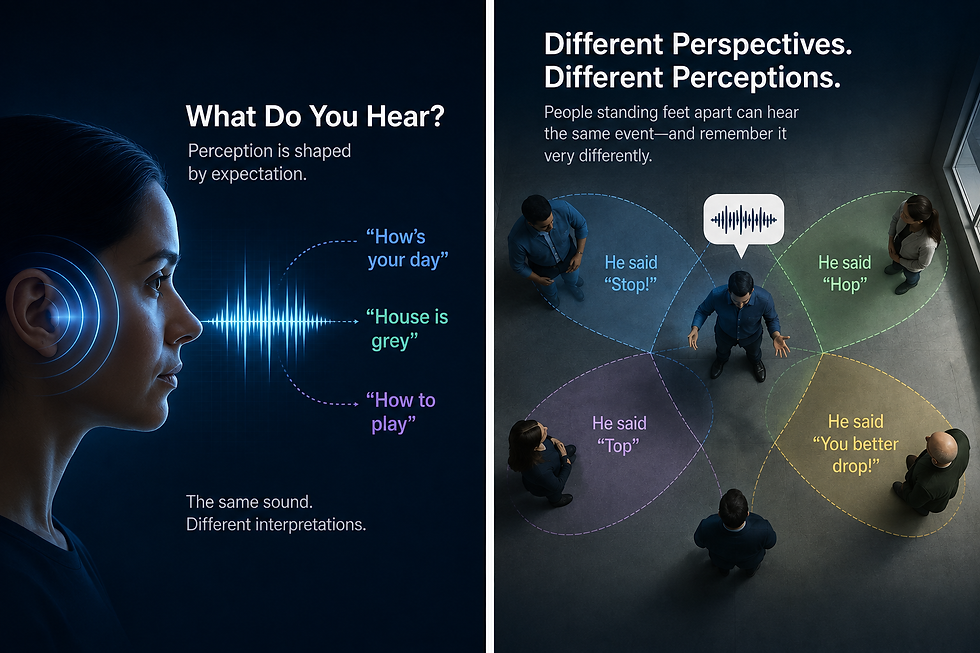
Memory is not a perfect recording of events but a reconstructive process influenced by many factors. Cognitive interview training teaches interviewers to work with this reality rather than against it. For example, the technique of context reinstatement encourages witnesses to mentally return to the scene of the event, which can trigger sensory and emotional cues that aid memory retrieval.
Another important aspect is the use of open-ended questions that avoid leading or suggestive language. This reduces the risk of introducing false memories or biasing the witness’s account. Interviewers are trained to listen actively and allow the witness to narrate their experience in their own words, which often leads to richer and more accurate information.
The training also addresses the timing of interviews. Conducting interviews as soon as possible after the event can improve recall, but sometimes multiple interviews spaced over time can help consolidate memories further. Some professions only allow one interview opportunity. Interviewers learn to balance these factors to optimize information gathering effectiveness.

What is an example of a cognitive interview?
To illustrate the practical application of cognitive interview training, consider a scenario involving a witness to a robbery. Instead of asking direct questions like "What did the suspect look like?" the interviewer guides the witness through a series of memory-enhancing steps:
Context Reinstatement: The witness is asked to close their eyes and mentally return to the scene, recalling sights, sounds, smells, and feelings.
Free Recall: The witness narrates everything they remember about the event without interruption.
Recall in Different Orders: The interviewer asks the witness to describe the event starting from the end and moving backward.
Change Perspective: The witness is encouraged to describe the event from another person’s viewpoint, such as another witness or even the suspect.
This structured approach often results in more detailed and accurate accounts than traditional interviews. It also helps uncover information that might otherwise remain hidden due to the natural limitations of memory.
Practical Recommendations for Implementing Cognitive Interview Training
For professionals seeking to integrate cognitive interview techniques into their practice, several actionable steps can facilitate effective implementation:
Invest in formal training: Attend courses led by experts with a strong research background, such as those offered by The Investigative Interview Institute.
Practice regularly: Like any skill, proficiency improves with practice. Role-playing and simulated interviews can help reinforce techniques.
Adapt to the context: Tailor the interview approach based on the witness’s age, emotional state, and the nature of the event.
Maintain ethical standards: Ensure that interviews are conducted respectfully and without coercion, preserving the integrity of the information.
Use technology wisely: Recording interviews can aid in review and analysis but should not replace the interviewer’s active engagement.
By following these recommendations, interviewers can maximize the benefits of cognitive interview training and contribute to more effective and just investigative outcomes.
The Future of Investigative Interviewing and Memory Research
The field of investigative interviewing continues to evolve as new research sheds light on the complexities of human memory. Advances in neuroscience and psychology are informing refinements to cognitive interview techniques, making them even more effective. For example, integrating findings on stress and trauma’s impact on memory can help tailor interviews to vulnerable populations.
Moreover, the rise of digital tools and virtual training platforms is expanding access to high-quality cognitive interview training. This democratization of knowledge ensures that more professionals can benefit from evidence-based methods regardless of geographic location.
As we look ahead, the commitment to science-based training and ethical interviewing practices will remain central to improving investigative outcomes. The Investigative Interview Institute exemplifies this commitment by providing comprehensive, research-driven education that empowers professionals to protect memory integrity and gather reliable information.
By embracing cognitive interview training, investigative professionals can enhance their ability to uncover the truth while respecting the complexities of human memory. This approach not only improves case outcomes but also upholds the highest standards of ethical and scientific rigor in the field of investigative interviewing.
For more information on cognitive interviewing, including training opportunities and resources, visit The Investigative Interview Institute’s website.


Comments