
Principles and Importance of Ethical Interviewing Practices

In the realm of investigative work, the process of interviewing is a critical tool for gathering accurate and reliable information. However, the effectiveness of this tool depends heavily on the adherence to ethical standards. Ethical interviewing practices are not just about following rules; they are about respecting the dignity of the interviewee, ensuring the integrity of the information collected, and upholding the credibility of the investigative process. In this post, I will explore the core principles that guide ethical interviewing and explain why these practices are indispensable in professional investigations.
Understanding Ethical Interviewing Practices
Ethical interviewing practices are grounded in respect, fairness, and transparency. These principles ensure that interviews are conducted in a manner that protects the rights of all parties involved and promotes truthful and comprehensive information exchange. For professionals in law enforcement and investigative fields, mastering these practices is essential to avoid coercion, bias, or manipulation that could compromise the investigation.
Some key components of ethical interviewing include:
Informed Consent: Interviewees should be aware of the purpose of the interview and their rights during the process.
Confidentiality: Information shared must be handled with discretion to protect privacy.
Non-coercion: Interviewers must avoid any form of pressure or intimidation.
Impartiality: Maintaining neutrality to prevent influencing the interviewee’s responses.
Accuracy: Ensuring that the information recorded is a true reflection of what was communicated.
By integrating these components, interviewers can foster an environment of trust and cooperation, which is vital for obtaining reliable information.

What is ethical interviewing?
Ethical interviewing is a structured approach to questioning that prioritizes the rights and well-being of the interviewee while aiming to collect accurate and reliable information. It is a practice that balances the need for information with respect for human dignity and legal standards. This approach is especially important in high-stakes environments where the consequences of misinformation can be severe.
Ethical interviewing involves:
Preparation: Understanding the context and objectives of the interview.
Building Rapport: Establishing a respectful and professional relationship with the interviewee.
Active Listening: Paying close attention to verbal and non-verbal cues.
Avoiding Leading Questions: Encouraging open and honest responses without suggestion.
Documentation: Recording the interview accurately and objectively.
These elements help ensure that the interview process is fair and that the information gathered is credible and admissible in legal or professional settings.
The Role of Ethical Interviewing in Memory Integrity
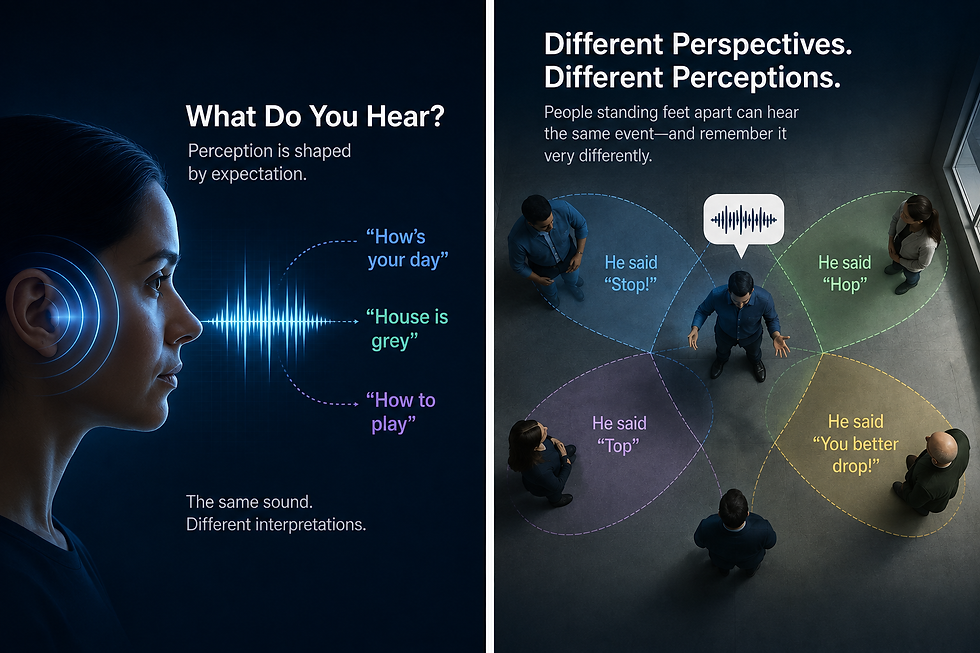
One of the most significant challenges in investigative interviewing is preserving the integrity of human memory. Memory is susceptible to distortion, suggestion, and decay, which can lead to inaccurate or incomplete information. Ethical interviewing practices are designed to minimize these risks by using scientifically validated techniques that support accurate memory retrieval.
For example, the Cognitive Interview method, developed through extensive research, emphasizes context reinstatement and open-ended questioning to enhance recall without introducing bias. By adhering to ethical interviewing principles, professionals can:
Reduce the risk of false memories.
Encourage detailed and accurate recollections.
Avoid contaminating the interviewee’s memory with suggestive or leading prompts.
This scientific approach to interviewing not only improves the quality of information but also protects the rights of individuals by preventing coercive or manipulative tactics.

Practical Recommendations for Implementing Ethical Interviewing
To effectively implement ethical interviewing practices, professionals should consider the following actionable steps:
Training and Education: Regularly participate in evidence-based training programs that focus on memory science and ethical interviewing techniques.
Preparation: Thoroughly prepare for each interview by reviewing case details and setting clear objectives.
Environment: Conduct interviews in a neutral, comfortable setting to reduce stress and encourage openness.
Communication: Use clear, simple language and avoid jargon to ensure the interviewee understands the questions.
Documentation: Record interviews accurately, using audio or video when possible, to maintain an objective record.
Self-awareness: Reflect on personal biases and remain vigilant to avoid influencing the interviewee’s responses.
Legal Compliance: Stay informed about relevant laws and regulations governing interview practices in your jurisdiction.
By following these recommendations, interviewers can uphold the highest standards of professionalism and integrity.
The Impact of Ethical Interviewing on Investigative Outcomes
The benefits of ethical interviewing extend beyond the immediate interview session. When conducted properly, these practices contribute to:
Enhanced Credibility: Ethical interviews are more likely to be trusted by courts, agencies, and the public.
Improved Cooperation: Interviewees are more willing to provide information when treated with respect.
Reduced Risk of Litigation: Avoiding coercion and misconduct minimizes legal challenges.
Better Decision-Making: Reliable information supports accurate assessments and effective actions.
Professional Reputation: Upholding ethical standards strengthens the reputation of investigative professionals and their organizations.
Ultimately, ethical interviewing is a cornerstone of effective and just investigative work.
Advancing Ethical Interviewing Through Science and Training
At The Investigative Interview Institute, we are committed to advancing ethical interviewing through rigorous scientific research and comprehensive training. Our programs, including the Original Cognitive Interview, Enhanced Cognitive Interview, and the Veritas Method©, are designed to equip professionals with the skills needed to conduct interviews that respect memory integrity and ethical standards.
Our training emphasizes:
The science of memory encoding, consolidation, and retrieval.
Practical application of evidence-based interviewing techniques.
Strategies to avoid common pitfalls and ethical violations.
Customizable programs tailored to specific professional needs.
By investing in such training, professionals can enhance their interviewing capabilities and contribute to more just and effective investigative outcomes.
Ethical interviewing is not merely a procedural requirement; it is a professional imperative that safeguards the truth and respects human dignity. By embracing these principles and continuously refining our skills, we can ensure that our investigative efforts are both effective and just. For those dedicated to the pursuit of truth, ethical interviewing practices are the foundation upon which credible and reliable investigations are built.
For more information on ethical interviewing, and to explore our training offerings, please visit The Investigative Interview Institute.


Comments