
The Complexity of Memory: Understanding Perception and Recall

How Perception Shapes Our Reality
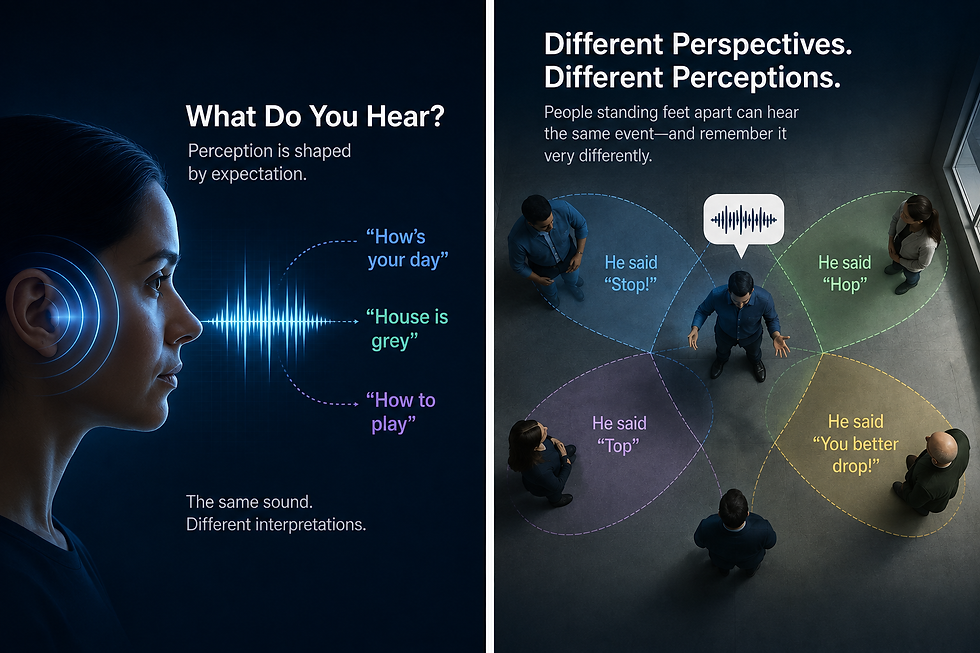
Perception is the process by which we interpret sensory information to form our experience of the world. It is not a passive recording but an active construction influenced by our focus, emotions, expectations, and prior knowledge. When multiple people witness the same event, each person’s perception filters the experience differently.
For example, during a lively family reunion, one person might focus on the humorous moments, while another notices the tension between relatives. These attentional differences lead to distinct memories. Our perception creates our reality, which may not match the actual event exactly but feels true to us.
The Role of Attention in Memory Formation
Attention determines what details we encode into memory. If you are distracted or focused on a particular aspect, you will remember that part more vividly and may miss other details. This explains why two people can recall the same event with different highlights.
Imagine a birthday party where one family member remembers the cake cutting vividly, while another recalls the music and dancing. Both memories are accurate from their perspective but incomplete when taken alone.
How Time Changes Memory Recall
Memory is not static. Each time we recall an event, we reconstruct it, often altering details unintentionally. The passage of time can blur specifics, fill gaps with assumptions, or mix in information from other sources.
Research shows that memories can become less accurate as years pass. For instance, a story told repeatedly at family gatherings may evolve, with small changes accumulating. This process is natural and does not mean someone is lying or intentionally mistaken.
Memory Contamination and Influence
Memories can be influenced by external factors such as other people’s stories, photographs, or media. This contamination can blend with original memories, creating hybrid versions.
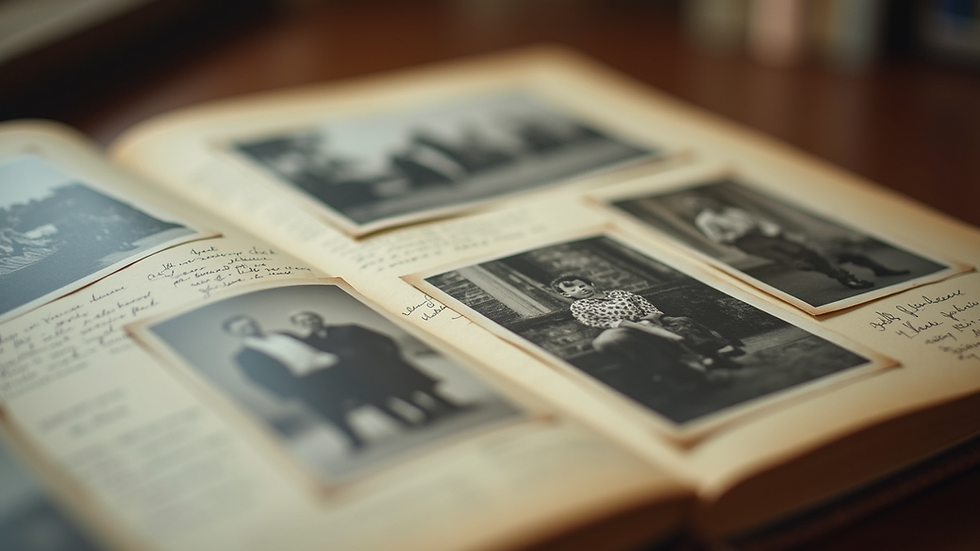
Consider a family member who hears a different version of an event from another relative. Over time, their memory may incorporate these new details, changing their original recall. This phenomenon explains why family stories often vary and why disagreements about what happened are common.
Can Both Memories Be Right?
Given the influence of perception, attention, time, and memory contamination, it is possible for two people to have different but valid memories of the same event. Neither memory is necessarily wrong; they reflect individual experiences and interpretations.
This understanding encourages empathy and patience when family members disagree about past events. Instead of judging or dismissing others’ memories, we can appreciate the complexity of human recall and the personal nature of memory.
Practical Tips for Navigating Differing Memories
Listen actively: Show interest in others’ stories without immediately correcting them.
Share your perspective: Offer your memory as a personal experience, not an absolute fact.
Avoid arguments: Recognize that memory is fallible and flexible.
Create new shared memories: Focus on building positive experiences together rather than debating the past.
Document stories: Writing down or recording family stories can help preserve different perspectives.
Embracing Memory’s Nature
Memories are not perfect recordings but living stories shaped by who we are and how we see the world. Accepting this helps us connect better with others and reduces conflict over differing recollections.
Next time you hear a family story that doesn’t match your memory, remember that both versions can be true in their own way. Embrace the richness of multiple perspectives and the unique realities they create.
The Importance of Memory in Investigative Interviewing
In the context of investigative interviewing, understanding how memory works is crucial. The Cognitive Interview Institute emphasizes the significance of memory integrity. By recognizing the factors that influence memory recall, interview professionals can gather more accurate information. This approach not only enhances the quality of the information obtained but also promotes ethical practices in information gathering.
In conclusion, the complexities of memory and perception remind us of the importance of empathy and understanding in our interactions. By acknowledging the subjective nature of memory, we can foster better communication and collaboration in both personal and professional settings.


Comments