
Understanding the Key Processes of Memory Encoding

Memory plays a crucial role in investigative interviewing and law enforcement. The ability to accurately recall details from an event can make the difference between solving a case and missing critical information. To enhance these skills, it is essential to understand the underlying cognitive mechanisms, particularly the key processes involved in memory encoding processes. This knowledge helps professionals apply evidence-based techniques that protect memory integrity and improve the accuracy of witness statements.
The Fundamentals of Memory Encoding Processes
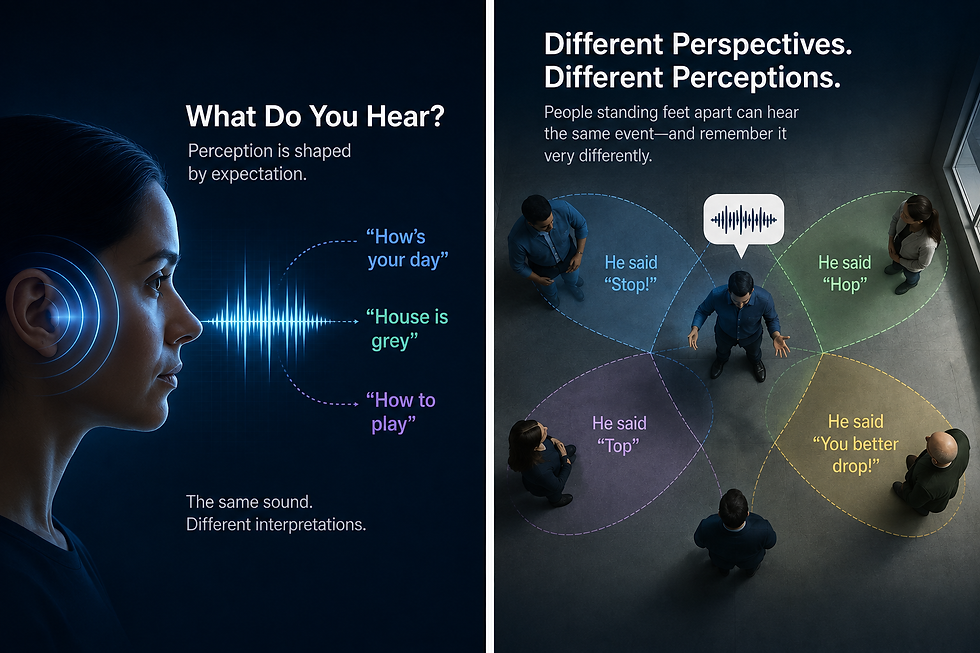
Memory encoding processes refer to the initial stage where perceived information is transformed into a construct that can be stored within the brain. This transformation is not passive; it requires active attention and cognitive effort. When an individual witnesses an event, their brain begins encoding sensory input—visual, auditory, tactile, and other—into a format that can later be retrieved.
There are several types of encoding, including:
Visual encoding: Processing images and spatial information.
Acoustic encoding: Processing sounds and auditory information.
Semantic encoding: Processing the meaning of words and concepts.
For example, during an investigative interview, a witness might encode the color of a suspect’s clothing visually, the tone of their voice acoustically, and the context of the event semantically. Understanding these distinctions allows interviewers to tailor their questioning to stimulate different encoding pathways, thereby enhancing recall.

Key Stages and Mechanisms in Memory Encoding Processes
Memory encoding is a multi-step process involving several brain regions and mechanisms. The hippocampus, located in the medial temporal lobe, plays a pivotal role in forming new memories. It acts as a hub, integrating sensory information and linking it to existing knowledge.
The stages of encoding include:
Attention: Focusing cognitive resources on relevant stimuli.
Perception: Interpreting sensory input.
Elaboration: Connecting new information to existing memories (Associative).
Storage: Creating a durable memory trace. Often the importance or salience of the event assists with this process.
Attention is the gateway to effective encoding. Without focused attention, information may never reach the storage phase. For instance, in a chaotic crime scene, a witness’s attention might be divided, leading to incomplete or fragmented encoding.
Elaboration enhances encoding by creating meaningful associations. Interviewers can facilitate this by encouraging witnesses to describe events in detail, linking new information to familiar concepts. This technique is a cornerstone of the Cognitive Interview method, which leverages elaboration to improve recall accuracy.

What is the difference between memory encoding and consolidation?
While memory encoding is the initial process of transforming sensory input into a memory trace, memory consolidation refers to the subsequent stabilization and integration of that memory into long-term storage (LTP). Consolidation occurs with time and proper sleep cycles. This process involves the strengthening of neural connections (myelination).
To clarify:
Encoding is about capturing the information.
Consolidation is about making that information stable and resistant to interference.
For example, after an interview, the witness’s brain continues to process and solidify the memory during rest or sleep. Disruptions during this phase, such as stress or trauma, can impair consolidation, leading to memory distortions or loss.
Understanding this distinction is vital for interview professionals. It highlights the importance of timely and supportive interviewing environments that minimize stress and allow for effective encoding and consolidation.
Practical Applications for Investigative Interviewing
Applying knowledge of memory encoding processes can significantly improve the quality of information gathered during interviews. Here are some actionable recommendations:
Create a focused environment: Minimize distractions to help witnesses concentrate on recalling details.
Use open-ended questions: Encourage elaboration rather than simple yes/no answers.
Encourage mental reinstatement of context: Ask witnesses to mentally recreate the environment and their emotional state during the event.
Allow for pauses and silence: Give witnesses time to process and encode their memories without pressure.
Avoid leading questions: These can interfere with the natural encoding and retrieval process, potentially contaminating memory.
By integrating these strategies, interviewers can support the natural memory encoding process, leading to more accurate and reliable testimonies.
Enhancing Memory Accuracy Through Training and Research
The Investigative Interview Institute (The Geiselman Group) emphasizes science-based training grounded in decades of peer-reviewed research. Our programs focus on the original Cognitive Interview, Enhanced Cognitive Interview, and the Veritas Method©, all designed to optimize memory encoding, consolidation, and retrieval.
Training includes:
Understanding the neurocognitive basis of memory.
Techniques to facilitate effective encoding during interviews.
Methods to protect memory integrity and reduce contamination.
Ethical considerations in information gathering.
Professionals trained in these methods report improved interview outcomes, with witnesses providing richer and more accurate accounts. This evidence-based approach is essential for high-stakes professions where memory accuracy is paramount.
Understanding the key processes of memory encoding processes is not just an academic exercise. It is a practical necessity for those involved in investigative interviewing and law enforcement. By applying these principles, professionals can enhance the reliability of witness statements, ultimately contributing to more effective justice outcomes.


Comments